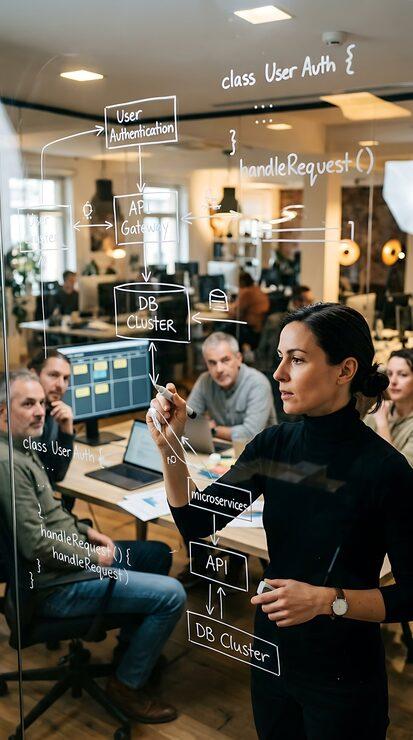
Test it before you build it: how clickable prototypes de-risk your product
A prototype in front of five real users can reveal more in a week than months of development.
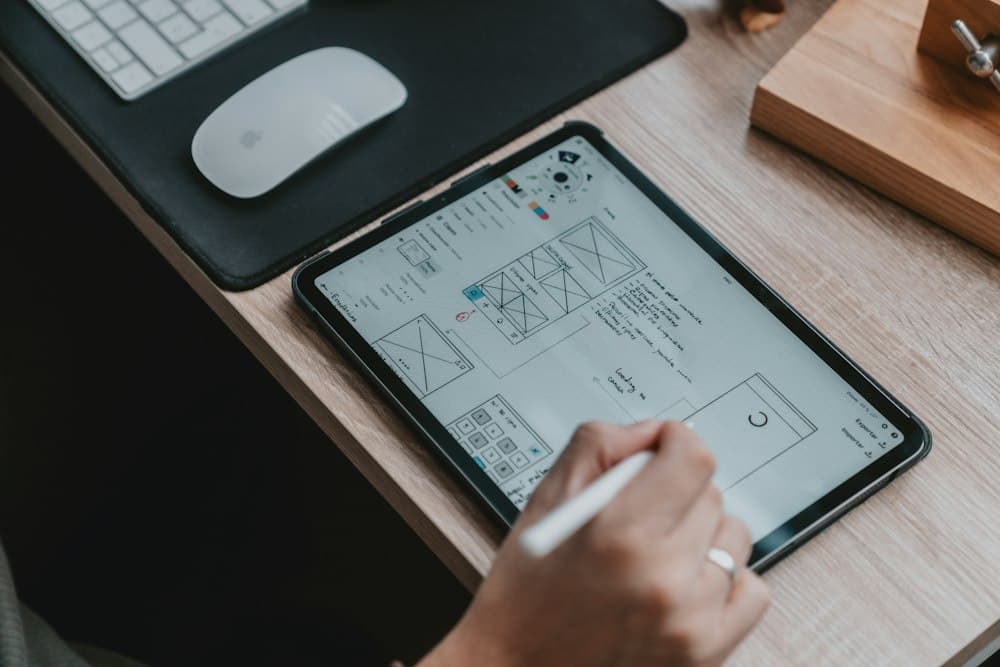
Every product team has opinions about what users want. Prototypes replace those opinions with evidence, before you've spent a single sprint writing production code.
A clickable prototype looks and feels like the real product but has no backend behind it. Users can tap through the core journey, such as signing up, placing an order or finding a report, while you watch where they hesitate, get lost or give up.
You don't need a big study. Sessions with around five people from your target audience will surface most of the problems in a flow. Fix them, test again, and within a week or two you have a journey that real users can complete without help.
The savings are significant. Moving a button or reworking a screen in a design tool takes minutes. Making the same change after it has been built, tested and released takes far longer, and it often triggers changes elsewhere in the code.
Prototypes also align everyone. Stakeholders can react to something concrete instead of a written spec, and engineers get a clear target with fewer open questions. That means more accurate estimates and fewer surprises during the build.
Finally, a tested prototype is a powerful asset in its own right. Founders use them to win early customers and investors, and product teams use them to secure budget, because they show the idea working rather than describing it.
How we handle this at usup.io
Our design team builds clickable prototypes and tests them with real users before development begins. You also get a design system your engineers will enjoy using, so what gets built matches what was tested.